

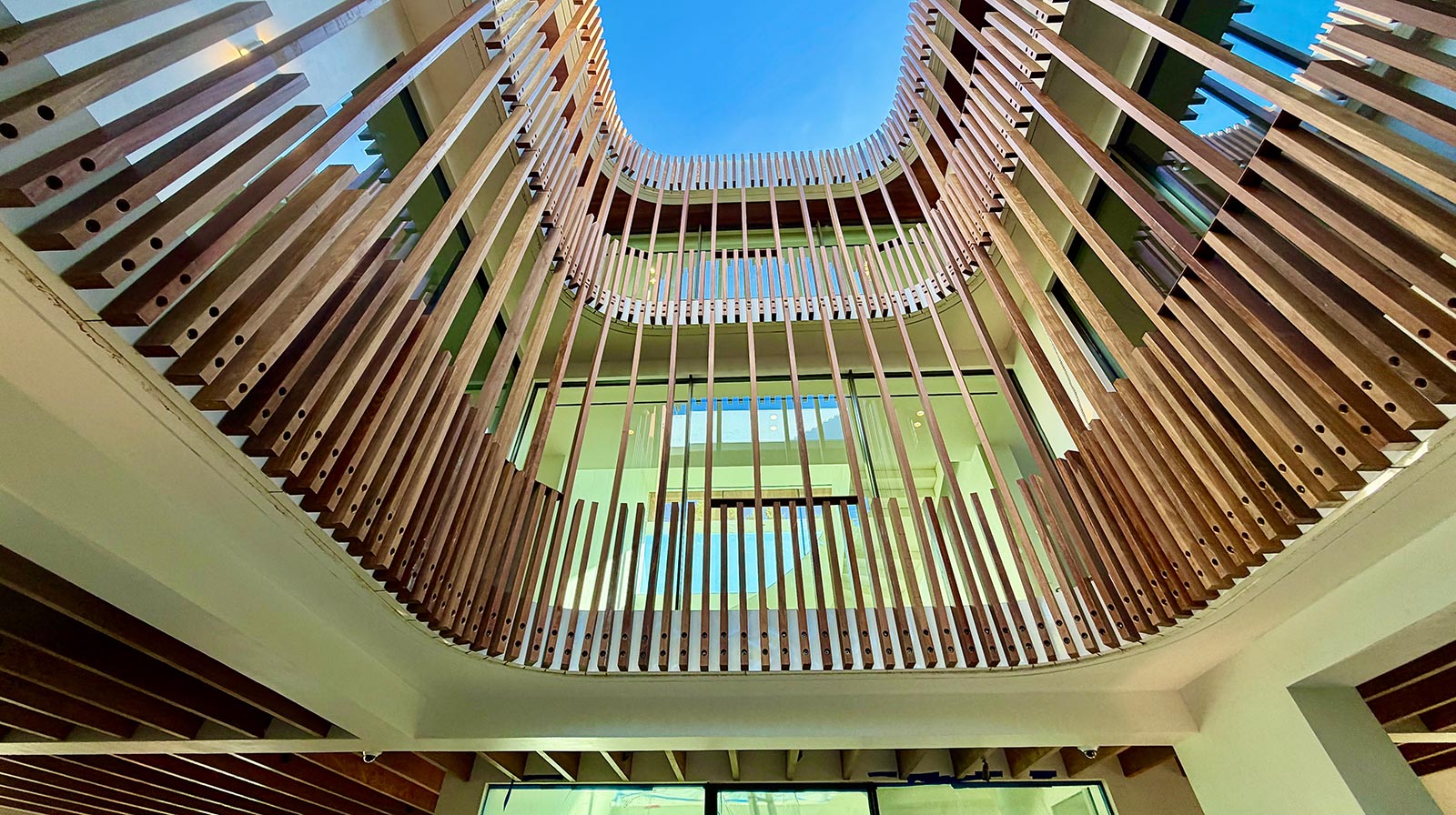
Cumaru Wood: A Natural Choice for Miami’s Luxury Residential Architecture
Combining durability, natural beauty, and versatility, this tropical hardwood offers an enduring material solution for South Florida’s most sophisticated homes.
In Miami’s luxury residential construction market, the selection of building materials extends far beyond aesthetics. Architects, builders, and homeowners must consider how materials will perform in South Florida’s demanding subtropical climate, where intense sunlight, high humidity, heavy rainfall, and salt-laden coastal air present ongoing challenges. Among the hardwoods increasingly considered for high-end residential applications is Cumaru wood, a tropical hardwood valued for its strength, distinctive appearance, and long-term durability.
Often referred to as Brazilian teak, although not botanically related to true teak, Cumaru has become a compelling option for luxury residential construction. Its combination of performance and visual character makes it particularly well suited to Miami’s contemporary, Tropical Modern, and waterfront homes.
Exceptional Durability in South Florida’s Climate
One of Cumaru’s greatest advantages is its remarkable density and natural resistance to wear. Native to tropical regions of Central and South America, the hardwood is exceptionally strong, with a Janka hardness rating commonly cited at approximately 3,300 pounds-force, substantially higher than most traditional decking materials.
For Miami luxury homebuilders like To Better Days Building, this hardness translates into a material capable of withstanding significant foot traffic, daily use, and the demands of outdoor entertaining. Cumaru is naturally resistant to decay and many wood-damaging insects, making it a practical choice for decks, terraces, exterior architectural elements, and other exposed applications.
Unlike softer woods that may dent or deteriorate more readily, Cumaru provides a robust surface capable of maintaining its structural integrity over many years when properly specified, installed, and maintained.
Although no natural wood is entirely immune to weathering, Cumaru’s inherent properties make it particularly appealing in a region where moisture and heat are persistent considerations.
A Distinctive Aesthetic for Tropical Modern Design
Beyond its physical performance, Cumaru offers a rich visual quality that complements Miami’s luxury residential architecture. Its natural coloration ranges from golden tan and reddish brown to deeper chocolate tones, often displaying subtle grain variations that give each installation a distinctive appearance.
For contemporary residences characterized by expansive glazing, exposed concrete, natural stone, and clean architectural lines, Cumaru introduces warmth and texture without compromising the design’s modern expression.
The wood is particularly impactful when paired with limestone, travertine, white stucco, dark bronze aluminum, and glass, materials frequently incorporated into South Florida’s high-end residential projects.
Its versatility allows builders and architects to use it as both a primary finish and an architectural accent. Horizontal soffits, vertical screening, privacy walls, exterior ceilings, and decorative cladding can introduce depth and contrast while reinforcing a home’s relationship with its tropical surroundings.
Over time, untreated Cumaru naturally develops a silvery-gray patina when exposed to sunlight and weather. Homeowners who prefer its original warm coloration can maintain that appearance through appropriate cleaning and periodic application of a compatible UV-protective exterior finish.
Versatility Across Indoor and Outdoor Applications
One of the material’s most appealing qualities is its adaptability across different architectural applications. In Miami’s luxury homes, where exterior spaces are often designed with the same attention to detail as interiors, Cumaru can establish visual continuity throughout the property.
Cumaru is particularly effective for pool decks, outdoor entertainment terraces, covered patios, and waterfront lounging areas. Its natural appearance complements tropical landscaping and water features, while its density makes it suitable for demanding residential environments.
The material can also be incorporated into architectural screening systems, pergolas, exterior accent walls, and ceiling treatments, provided the assemblies are engineered and detailed for their intended exposure and structural requirements.
Inside the home, Cumaru may be used for flooring, stair treads, millwork, and decorative features, creating a cohesive material palette.
For luxury builders, the ability to incorporate the same wood species across multiple applications offers an opportunity to reinforce design consistency and craftsmanship throughout the residence.
Long-Term Value and Maintenance Considerations
While Cumaru generally carries a higher initial material and installation cost than conventional pressure-treated lumber, it is however less expensive than the popular alternative Ipe wood, and its durability can provide long-term value.
Properly installed Cumaru can deliver decades of service, potentially reducing the frequency of replacement compared with less durable alternatives. Its resistance to everyday wear also makes it appealing for luxury residences designed for extensive outdoor use.
However, successful installation requires specialized knowledge. Cumaru’s exceptional density makes it more challenging to cut, drill, and fasten than softer wood species. Experienced builders typically use carbide-tipped tools, predrilled fastener holes, and corrosion-resistant stainless-steel hardware, particularly in Miami’s coastal environment.
Proper ventilation, drainage, board spacing, and moisture management are equally important to accommodate natural wood movement and support long-term performance.
As with any exterior hardwood, routine cleaning and periodic inspections help preserve its appearance and condition. Maintaining the original color requires additional finishing, while allowing the wood to weather naturally carries its own unique maintenance requirements.
Sustainability and Responsible Material Selection
As environmental performance becomes increasingly important in luxury residential construction, responsible sourcing is an essential consideration when selecting tropical hardwoods.
Cumaru’s long service life can contribute to resource efficiency by reducing the need for frequent material replacement. However, durability alone does not establish sustainability.
Builders should seek responsibly harvested wood from suppliers offering credible forest-management certifications, such as Forest Stewardship Council (FSC) certification, where available, along with documentation supporting legal and traceable sourcing.
Selecting reputable suppliers and minimizing material waste during fabrication can further support a responsible approach to construction.
A Material That Reflects Quality Craftsmanship
For Miami’s luxury residential builders, Cumaru represents more than an attractive hardwood. It offers an opportunity to combine natural beauty, technical performance, and architectural refinement in a material that responds to the region’s distinctive climate and lifestyle.
From waterfront decking and sculptural screening to exterior soffits and custom architectural details, Cumaru provides a durable and visually compelling solution for residences where every material selection contributes to the overall design.
Ultimately, its greatest value lies in the balance it achieves between strength and sophistication. When thoughtfully specified, responsibly sourced, and expertly installed, Cumaru can enhance the character, functionality, and longevity of South Florida’s most exceptional homes.
